📝 Paper Summary
Health-aware Food Recommendation
Graph Neural Networks for Recommendation
LLM-based Interpretation
MOPI-HFRS creates a personalized food recommendation system that balances user preference, health needs, and diversity by refining graph structures and using LLMs to explain why recommendations are healthy.
Core Problem
Existing food recommendation systems prioritize user preference over health, lack personalization based on medical conditions (like hypertension or diabetes), and fail to explain why a recommendation is healthy.
Why it matters:
- Unhealthy diets contribute to 11 million deaths annually and 42.4% obesity rates in the US, yet platforms like Yelp ignore health outcomes.
- A 'healthy' food varies by individual (e.g., high-fiber is good for some but bad for others), meaning generic health scores are insufficient.
- Without interpretability, users cannot understand or trust why a recommended substitution is better for their specific condition.
Concrete Example:
A user with high blood pressure needs a low-sodium diet, but a standard recommender might suggest high-sodium options based on taste history. Current health-aware systems might hard-code a 'health score' post-filtering, failing to balance this with the user's taste preferences or explain the medical reasoning.
Key Novelty
Multi-Objective Personalized Interpretable Health-aware Food Recommendation System (MOPI-HFRS)
- Constructs a signed bipartite graph where edges represent not just interactions but 'healthy' vs 'unhealthy' relationships based on user medical data and food nutrient profiles.
- Uses a structure learning module that dynamically rewires the graph based on feature similarity and health compatibility (balance theory) during training to reduce noise.
- Employs Pareto optimization to simultaneously maximize three conflicting objectives: user preference (accuracy), personalized healthiness, and nutritional diversity.
Architecture
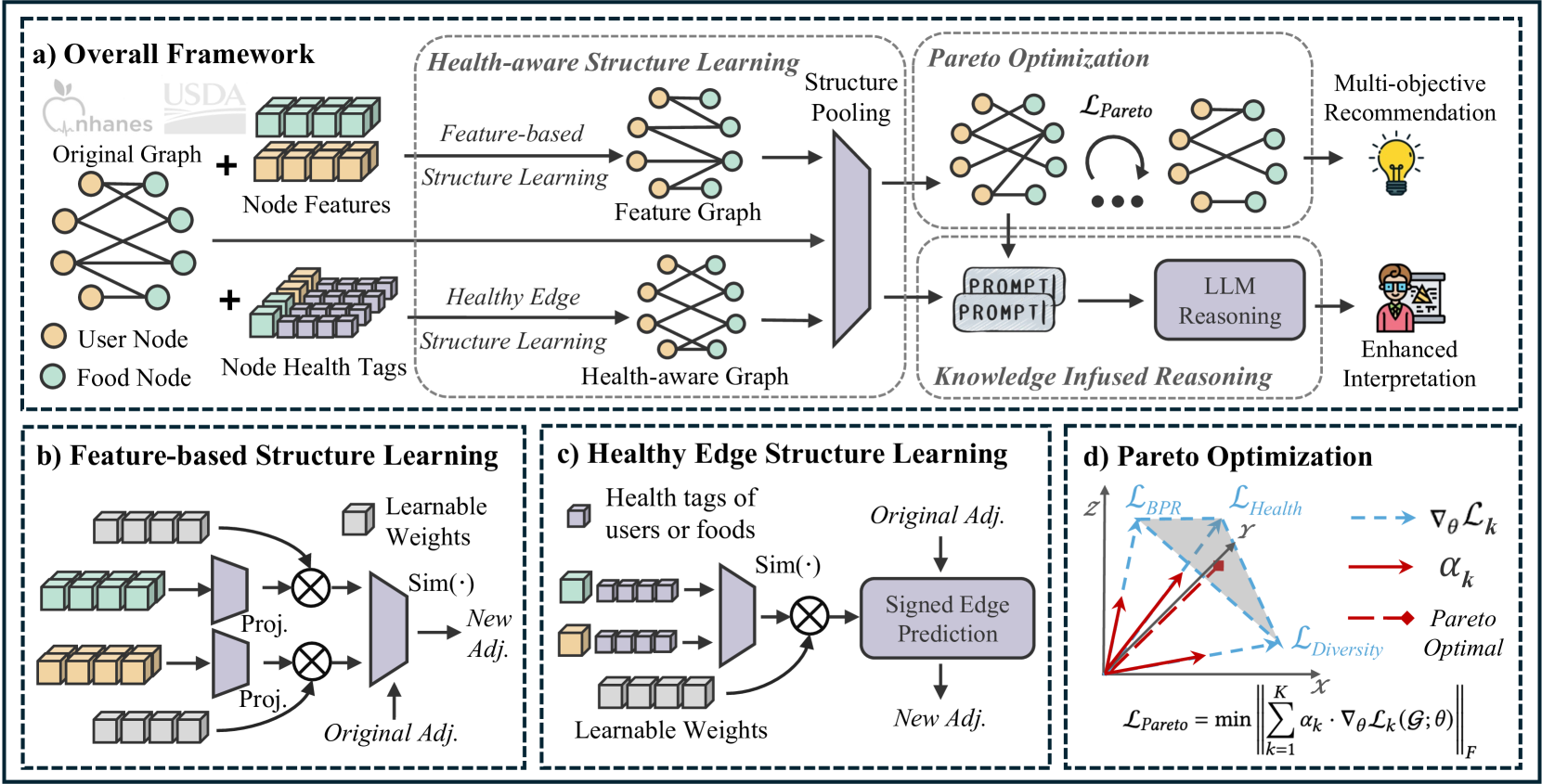
The overall MOPI-HFRS framework, illustrating the parallel processing of raw, feature-based, and health-based graphs, their fusion, and the multi-objective optimization targets.
Evaluation Highlights
- Outperforms state-of-the-art baselines in Health metric by significant margins (e.g., +15-20% relative improvement) while maintaining competitive Recall/NDCG.
- Achieves higher diversity (coverage) compared to preference-only models like LightGCN.
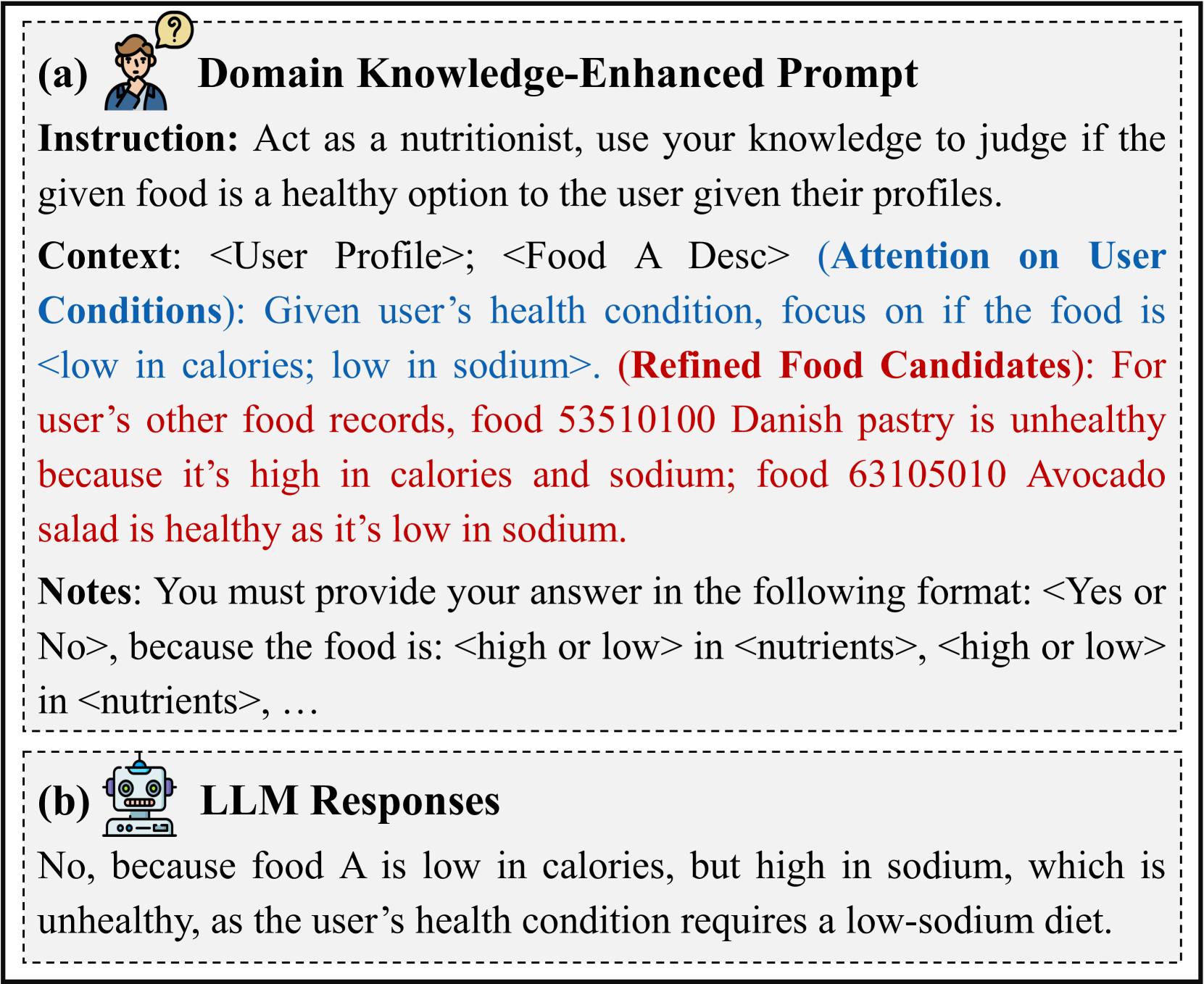
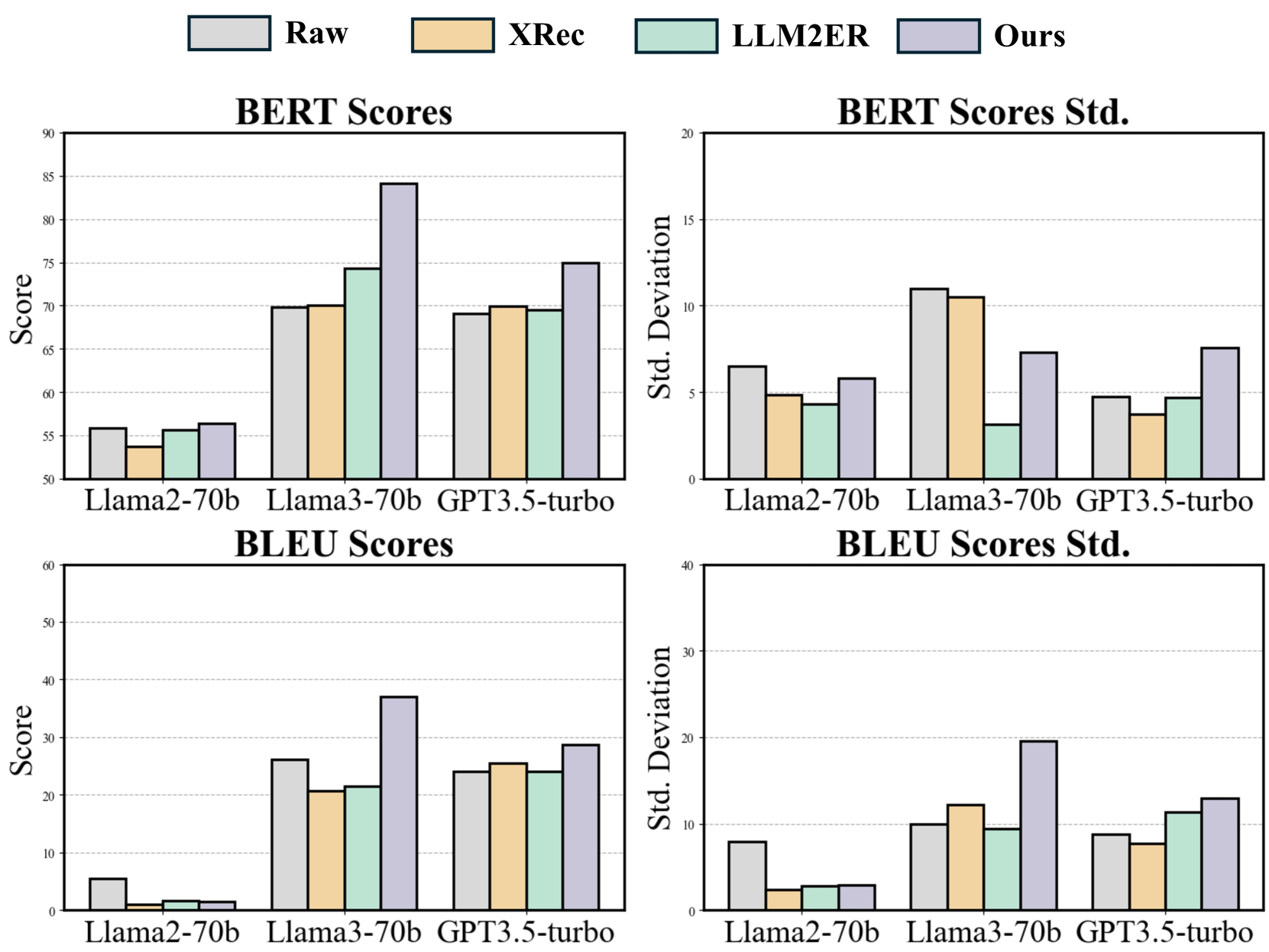
- LLM-enhanced interpretation module provides verifiable medical reasoning for recommendations, bridging the gap between numerical scores and user understanding.
Breakthrough Assessment
7/10
Strong contribution in constructing the first large-scale personalized health-aware benchmark using real medical data (NHANES). The methodology effectively combines graph learning with multi-objective optimization, though the LLM component is primarily for interpretation rather than the core recommendation logic.