📝 Paper Summary
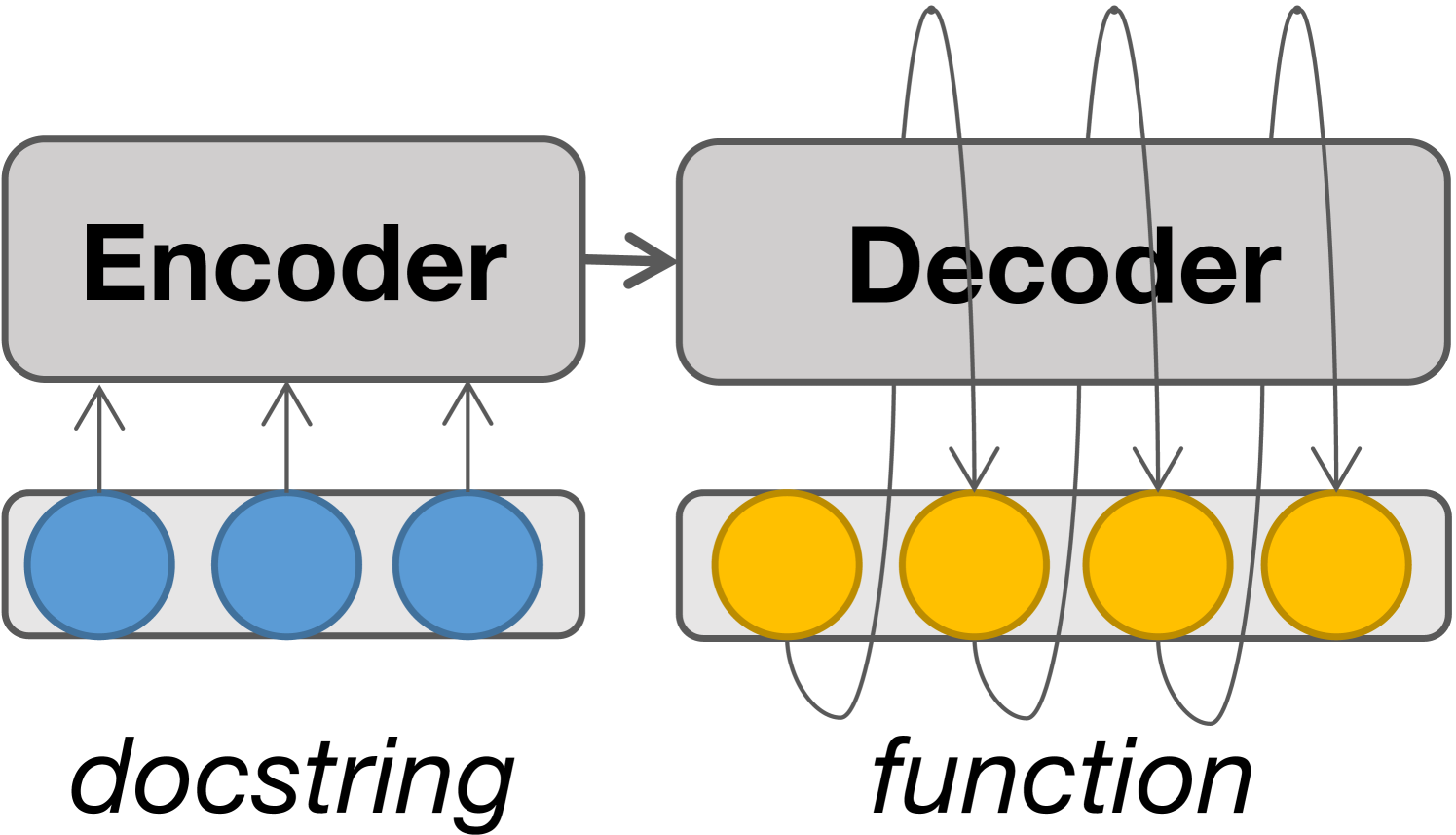
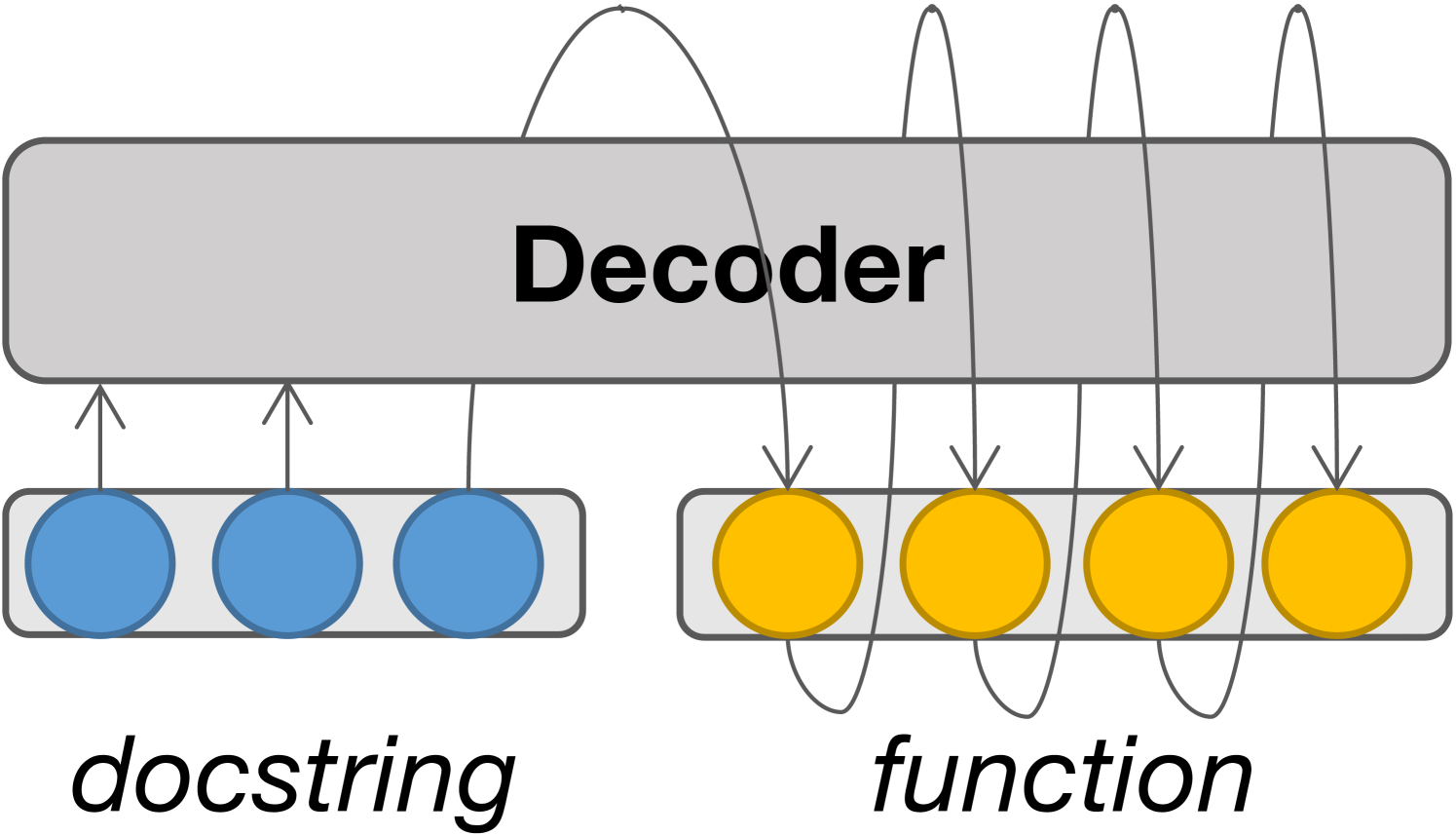
Multi-call tool use with flexible plan
Code Generation
ToolGen teaches Code LLMs to invoke static analysis-based autocompletion tools during generation by fine-tuning on functions augmented with special trigger tokens, resolving repository-level dependency errors.
Core Problem
Code LLMs generating repository-level code lack awareness of project-specific dependencies (user-defined attributes/functions), leading to undefined-variable and no-member errors.
Why it matters:
- Over 70% of functions in real-world repositories are not standalone, making standard Code LLMs ineffective for practical software engineering.
- Existing tool-use methods (like ToolFormer) struggle with repository dependencies because they rely on generic APIs rather than context-aware program analysis.
- Dependency errors (e.g., hallucinating non-existent class members) significantly impede the usability of generated code.
Concrete Example:
When generating a method using 'self.', a standard Code LLM might hallucinate an attribute '_updates' (causing a no-member error). In contrast, ToolGen invokes a static analysis tool (Jedi) at 'self.', which inspects the class definition and correctly suggests the existing attribute '_registered_updates'.
Key Novelty
ToolGen: Repository-Aware Tool Integration via Trigger Insertion
- Fine-tunes Code LLMs to predict a special <COMP> token at specific positions where accessing repository dependencies (like class attributes), triggering an external autocompletion tool.
- Integrates standard IDE-style static analysis tools (e.g., Jedi) directly into the LLM decoding loop to fetch valid identifiers from the project context.
- Selects the best suggestion from the tool's list using a constrained greedy search by the LLM, bridging the gap between generative capability and strict repository constraints.
Architecture
Overview of the ToolGen approach, split into Offline (Trigger Insertion & Fine-tuning) and Online (Tool-integrated Code Generation) phases.
Evaluation Highlights
- Dependency Coverage (covering real repo dependencies) improved by 31.4% to 39.1% across CodeGPT, CodeT5, and CodeLlama compared to base models.
- Static Validity Rate (passing dependency checks) increased by 44.9% to 57.7% on the 12,406 function benchmark.
- Achieved 40.0% (CodeT5) and 25.0% (CodeLlama) improvement in Pass@1 on CoderEval tasks involving repository dependencies.
Breakthrough Assessment
7/10
Significantly addresses the specific problem of repository-level hallucinations by effectively combining LLMs with traditional static analysis, though the scope is limited to identifier completion.