📝 Paper Summary
Agentic AI
Network Security
Distributed Systems
NetMoniAI integrates autonomous node-level micro-agents for local packet analysis with a central LLM-powered controller for system-wide threat correlation and strategic response.
Core Problem
Traditional network monitoring struggles to balance detailed packet-level visibility with scalability; centralized systems are slow to adapt, while flow-based methods miss fine-grained threats.
Why it matters:
- Packet-level analysis is accurate but computationally infeasible at scale, while flow-based monitoring is scalable but lacks precision.
- Static rule engines and centralized log analysis generate high false positives and require frequent manual updates, failing against distributed or novel attacks.
- Current ML approaches often rely on heavy synchronization or lack the autonomy to make decisions at the edge.
Concrete Example:
In a distributed DDoS attack, individual nodes might see slightly elevated traffic that doesn't trigger local thresholds. Without coordination, the attack goes unnoticed until the network collapses. NetMoniAI's central controller correlates these minor local anomalies to identify the broader coordinated pattern.
Key Novelty
Hybrid Agentic Framework for Network Security
- Deploys lightweight micro-agents on edge nodes that autonomously switch from monitoring metrics to capturing/analyzing packets using local models or LLMs.
- Uses a Central Controller that doesn't micromanage but aggregates semantic reports from agents to detect cross-node patterns (like distributed scanning) and suggest global policies.
Architecture
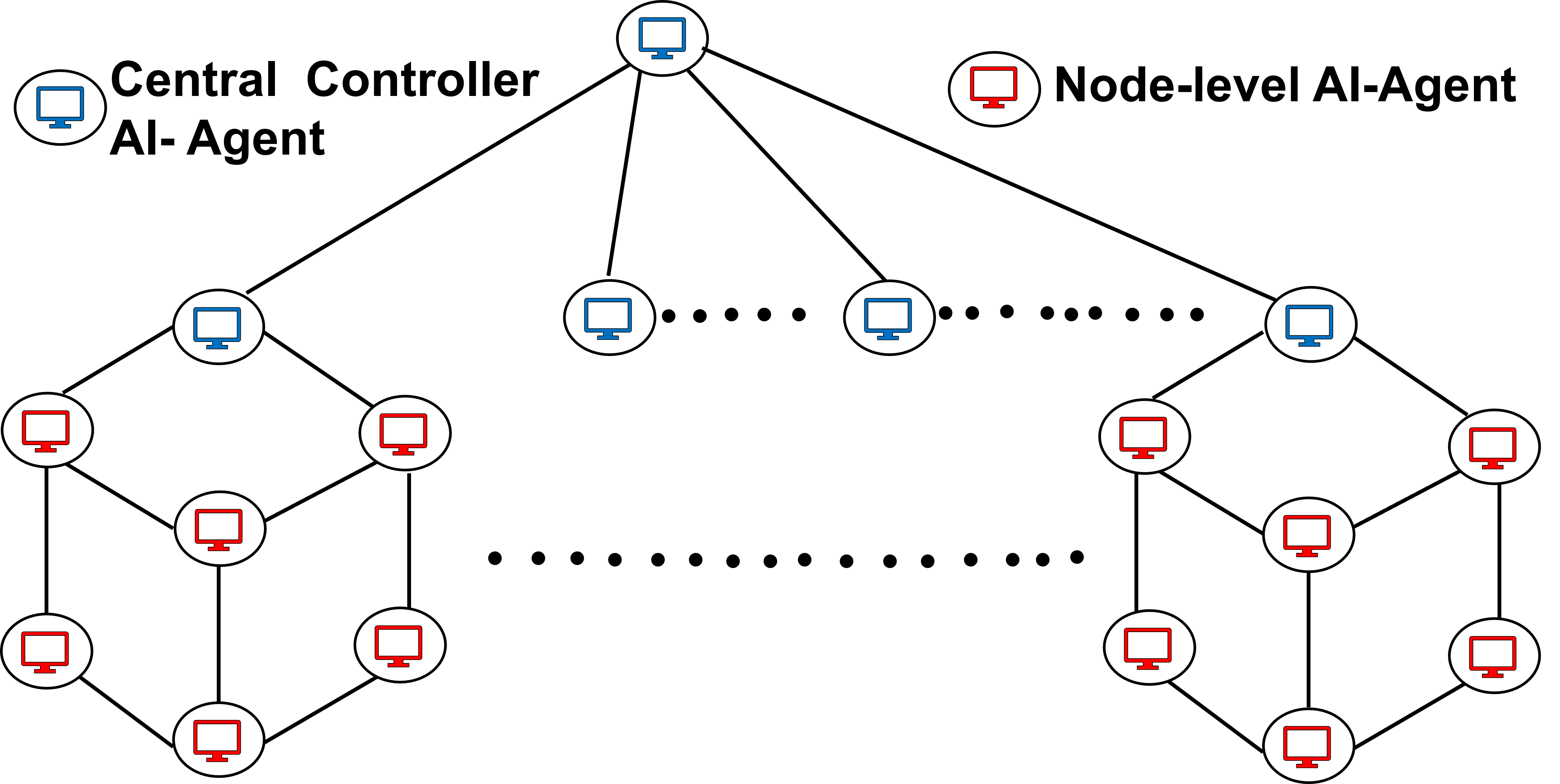
The NetMoniAI architecture including the Node-Level Agent structure and the Central Controller loop.
Evaluation Highlights
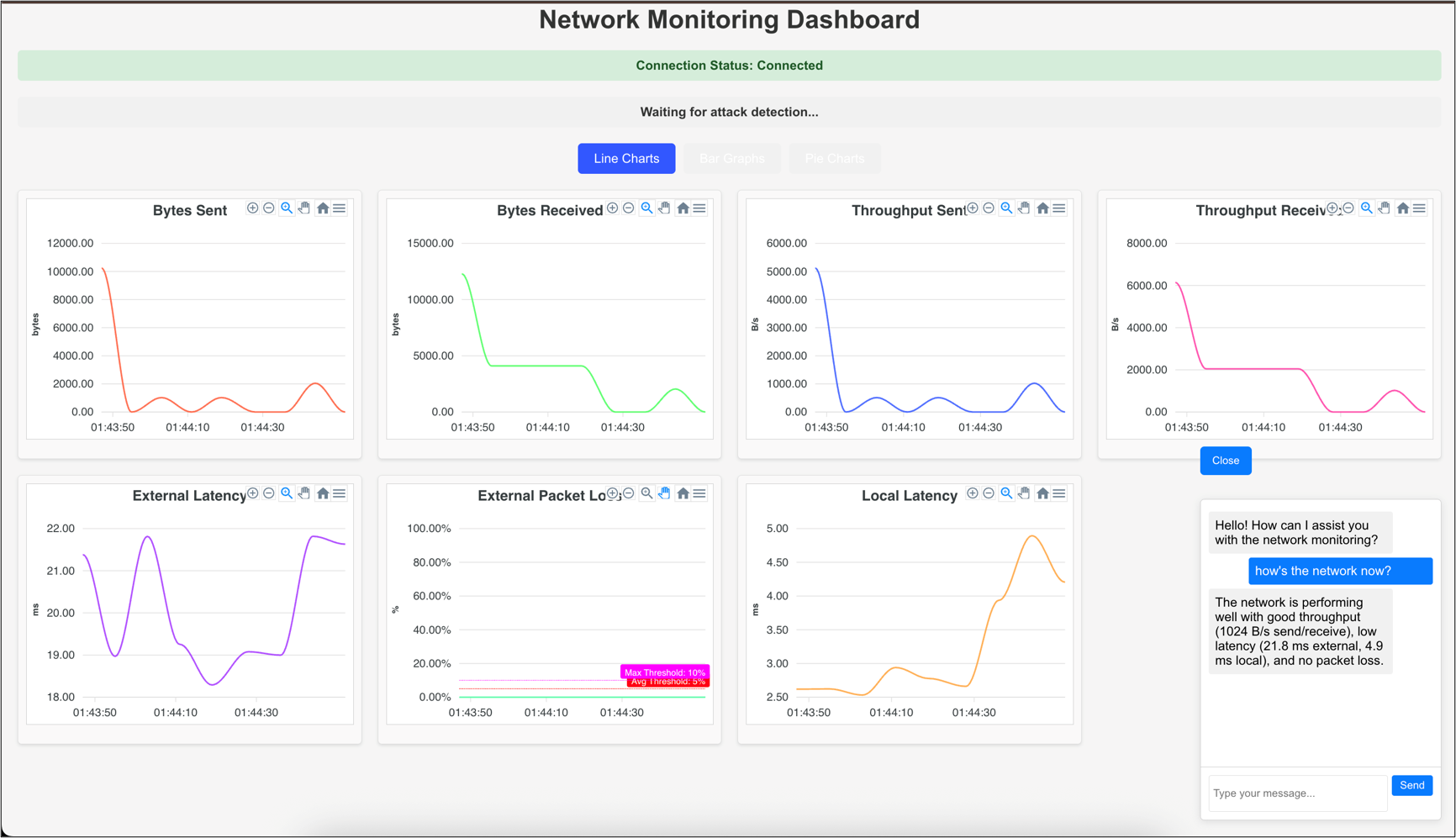
- Achieved detection latencies under 5 seconds for local anomalies in a degraded network environment (1Mbps, 600ms delay).
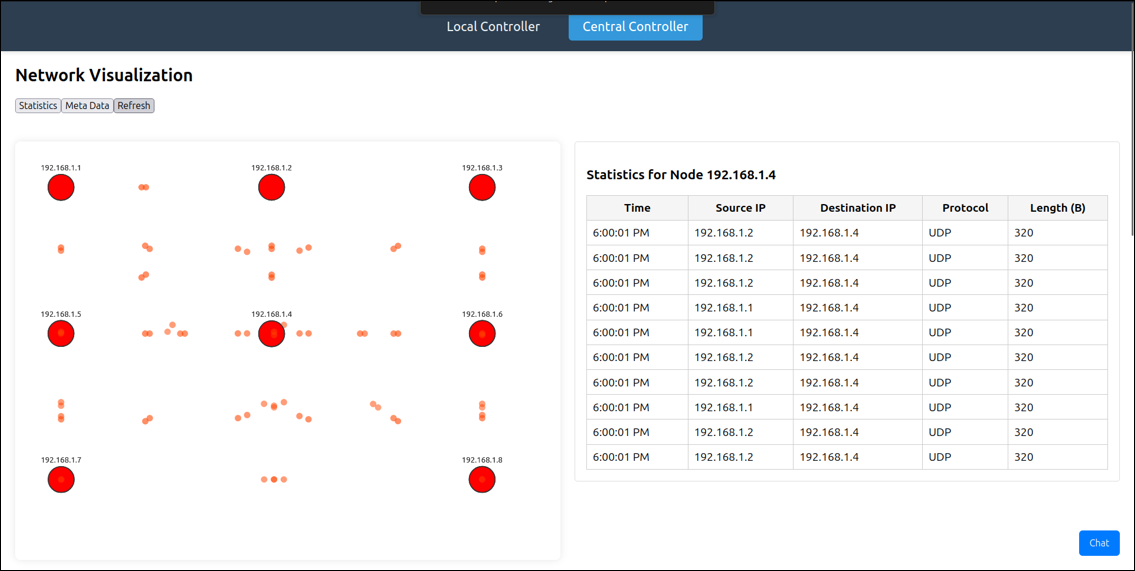
- Successfully identified coordinated multi-source TCP flood attacks in an 8-node NS-3 simulation by correlating distributed agent reports.
- Demonstrated robust operation under 'Very Bad Network' conditions (600ms latency), maintaining real-time dashboard updates and threat classification.
Breakthrough Assessment
7/10
Solid application of agentic AI to network security, effectively balancing edge autonomy with central reasoning. Strong practical validation, though the novelty lies more in the architectural integration than new fundamental AI algorithms.