📝 Paper Summary
Scientific Agentic Frameworks
Autonomous Inverse Design
An autonomous multi-agent system orchestrates the complete lifecycle of metamaterial design, from writing code for surrogate forward models to executing inverse design algorithms without human intervention.
Core Problem
Developing metamaterial inverse design pipelines requires extensive human expertise to manually select architectures, tune hyperparameters, and manage iterative data generation and simulation.
Why it matters:
- Manual design of deep learning models for photonics is time-consuming and slows scientific progress
- The high barrier to entry limits accessibility of advanced inverse design methods to only those with dual expertise in photonics and deep learning
- Human researchers often struggle to dynamically adapt long-term plans based on intermediate experimental results
Concrete Example:
A human researcher typically manually tries various neural network architectures (e.g., CNN vs. MLP), iteratively runs simulations to gather data, and hand-tunes hyperparameters. This framework replaces that loop: given a target spectrum, it autonomously writes the Python code for a forward model, decides when to generate more simulation data, and solves for the geometry.
Key Novelty
End-to-End Autonomous Scientist for Metamaterials
- Decomposes the scientific process into specialized agents (Planner, Forward Modeler, Inverse Designer) that share a memory and tools
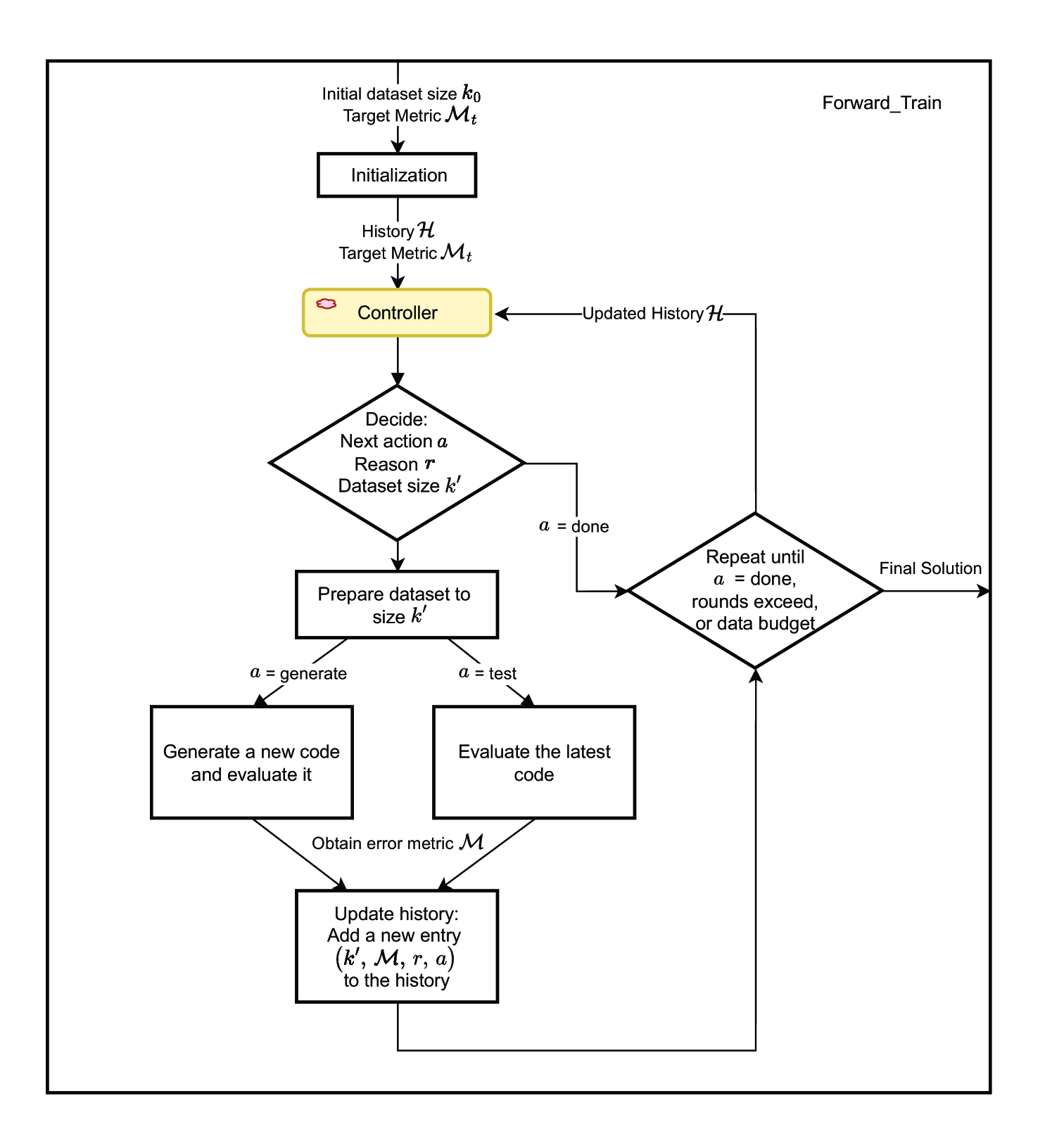
- The Forward Modeler agent autonomously writes and refines deep learning code (via a sub-agent) and manages the data-vs-model trade-off dynamically
- Incorporates internal reflection where the Planner evaluates intermediate results (e.g., model error) to adjust the research strategy in real-time
Architecture
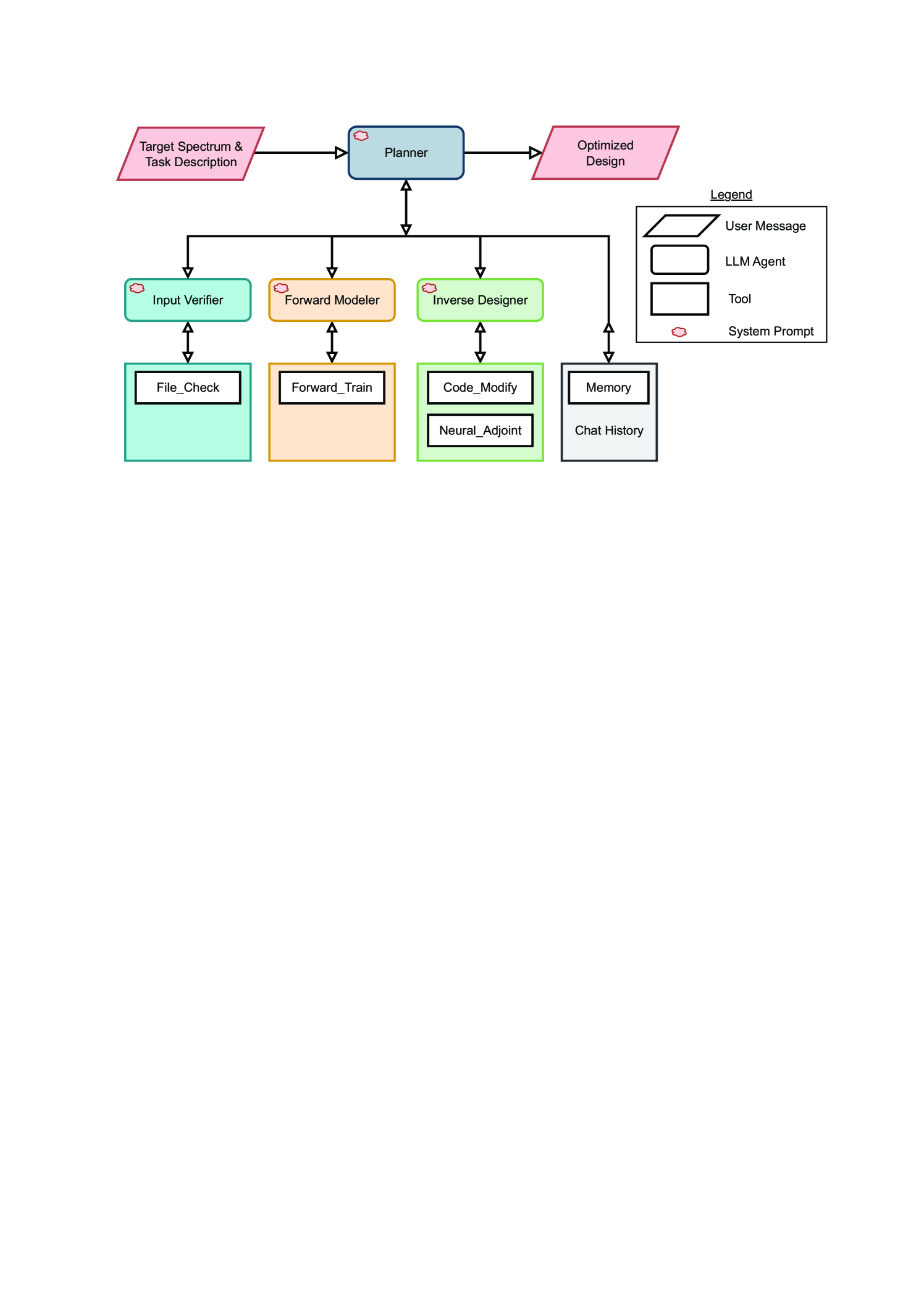
Schematic of the Agentic Framework showing the Planner, Memory, and specialized agents (Input Verifier, Forward Modeler, Inverse Designer) and their interaction with tools.
Evaluation Highlights
- The agent autonomously developed a forward model and inverse design solution that matches the performance of human experts on a benchmark metamaterial task
- Demonstrates successful autonomous code generation for neural networks (ResNets, Transformers) to serve as surrogate models
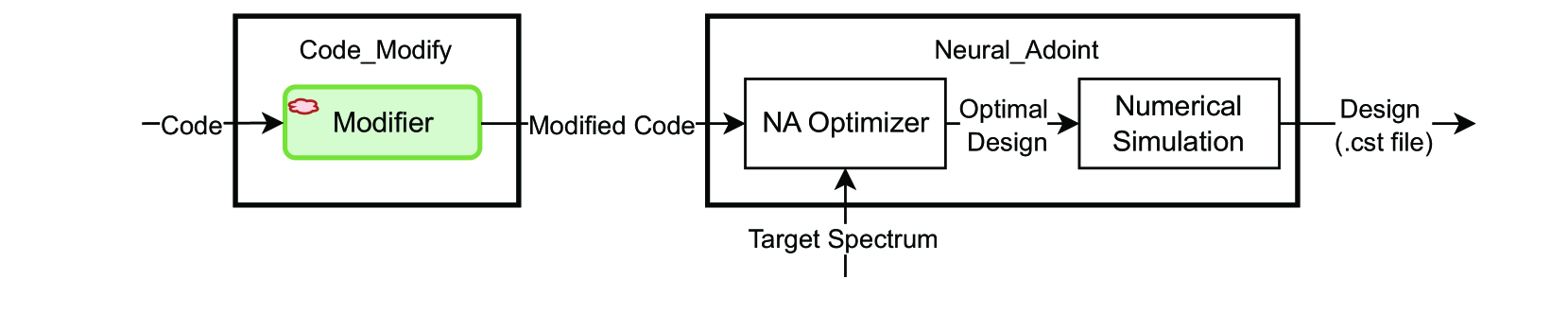
- Achieves 'state-of-the-art' inverse design performance using the Neural Adjoint method managed entirely by agents
Breakthrough Assessment
8/10
Significant step towards fully autonomous scientific discovery. It moves beyond simple tool use to managing a complex, multi-stage research workflow involving code writing and simulation feedback loops.