📊 Experiments & Results
Evaluation Setup
Zero-shot evaluation on logic puzzles and math benchmarks after RL training
Benchmarks:
- Knights and Knaves (K&K) (Logic Puzzles) [New]
- AIME 2021-2024 (Math Competition)
- AMC 2022-2023 (Math Competition)
Metrics:
- Accuracy
- Pass@1
- Memorization Score (Local Inconsistency-based)
- Statistical methodology: Not explicitly reported in the paper
Key Results
| Benchmark | Metric | Baseline | This Paper | Δ |
|---|---|---|---|---|
| Logic Puzzles Training | Training Speed (relative) | 1.0 | 2.38 | +1.38 |
| Logic Puzzles Training | Response Length (Tokens) | 500 | 2000 | +1500 |
Experiment Figures
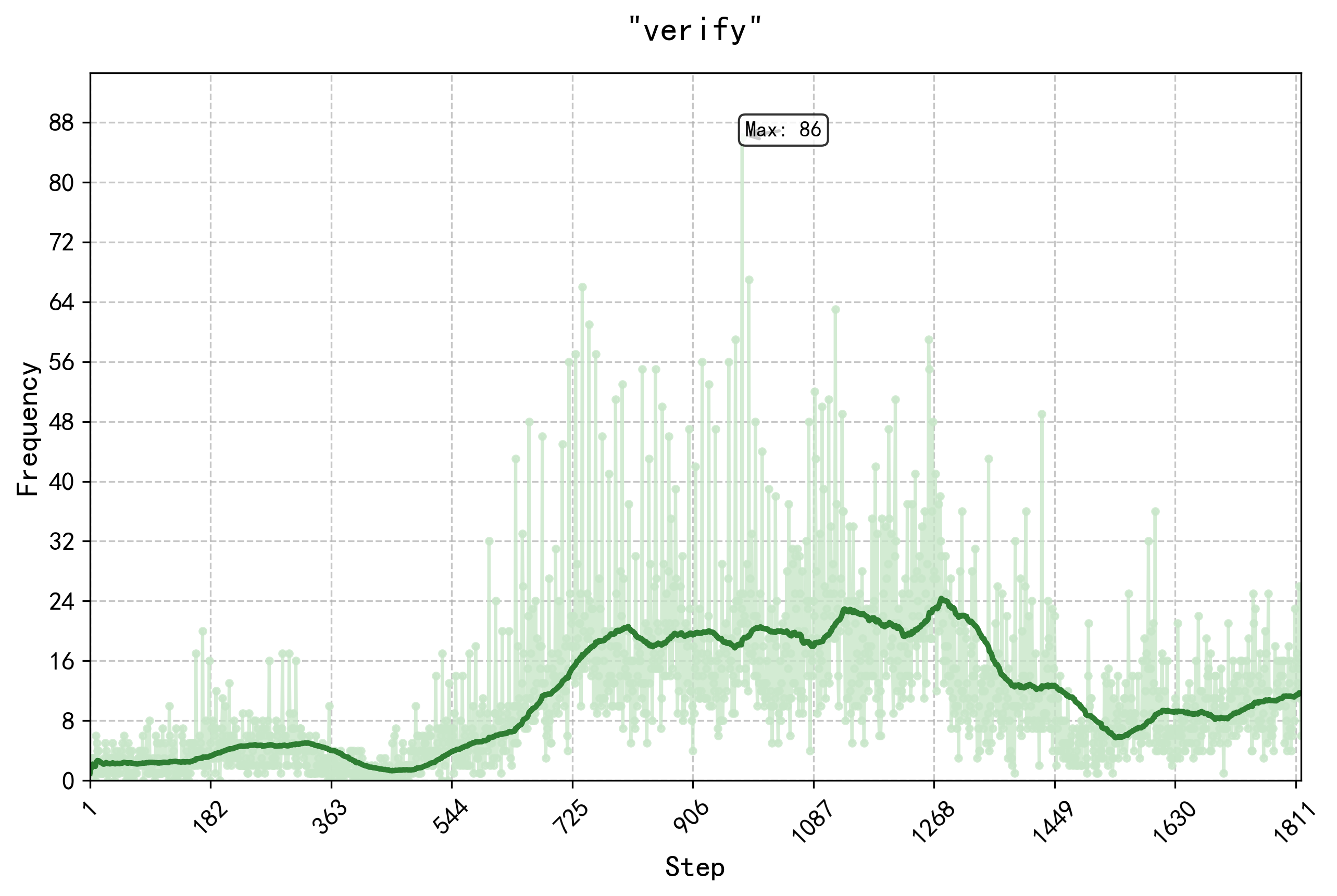
Generalization performance on Super OOD benchmarks (AIME/AMC)
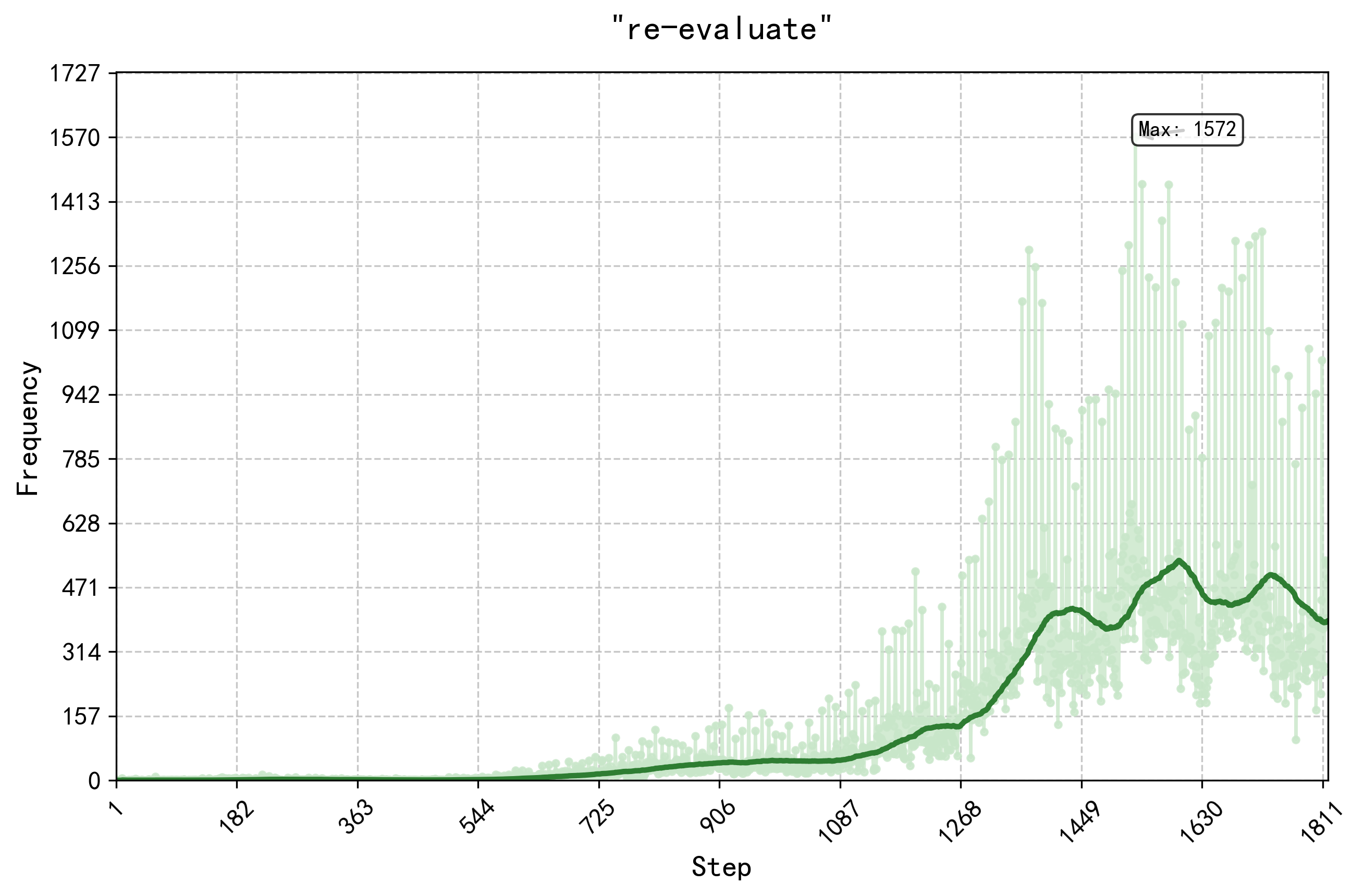
Test accuracy vs. Memorization Score for SFT vs. RL
Main Takeaways
- RL training on synthetic logic puzzles transfers significantly to math benchmarks (+125% AIME, +38% AMC), suggesting the model learns abstract reasoning schemata rather than just puzzle patterns
- SFT leads to high memorization (performance drops on perturbed questions), whereas RL yields robust generalization (performance holds on perturbed questions)
- Curriculum learning (ordering puzzles by difficulty) provides a slight advantage over random shuffling, but the difference is small compared to the overall gain from RL
- Language mixing in the thought process was observed to hurt reasoning performance, suggesting a need for language consistency penalties